
Among the Sleep
SnapbreakAdventure
4.6108.00 Reviews
- Version
- 1.0.0.0.26
- Installs
- 100.00K
- Age Rating
- Teen
Screenshots
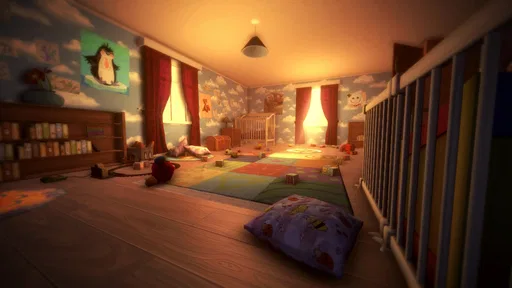
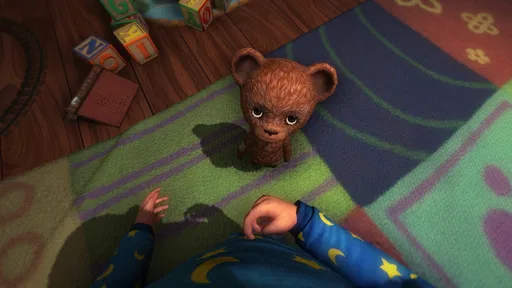
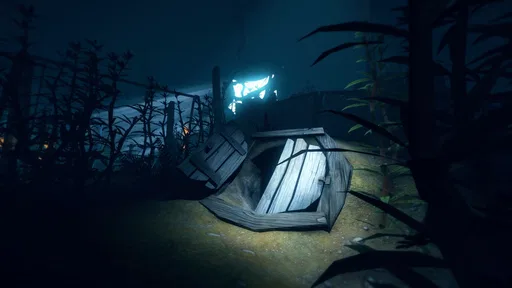
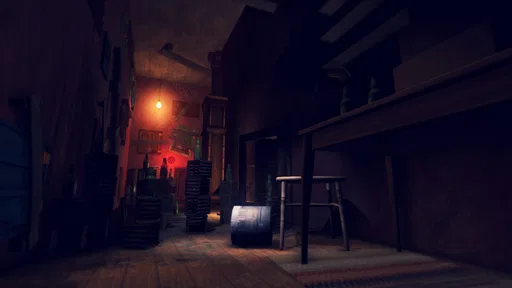
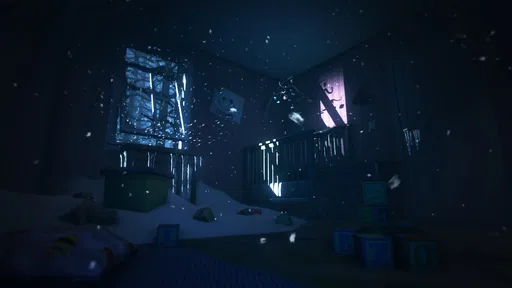
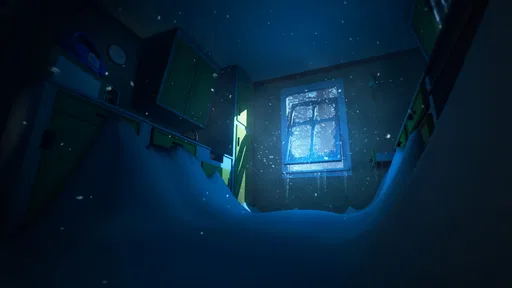
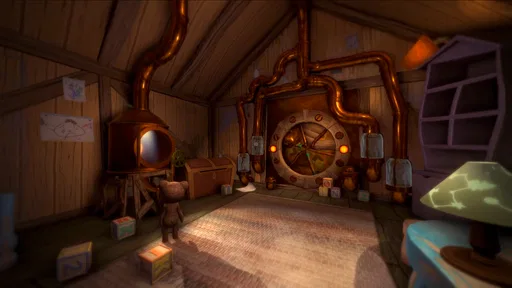
Our Review of Among the Sleep
 Analysis by Appyee
I approached Among the Sleep as a first-time player expecting a short, uneasy adventure rather than a conventional action game. That distinction matters immediately. This is not built around constant combat, score chasing, or a large collection of missions. Its appeal comes from stepping into a strange night-time world, understanding what is happening through exploration, and deciding how much tension you are comfortable carrying from one moment to the next.
Developed by Snapbreak, this free adventure game has a Teen content rating and is available for devices running Android 7.1 or later. It has attracted an average rating of 4.6 from around 4,000 ratings, with more than 100,000 installs. Those figures suggest that the unusual premise has found an audience, but they do not tell you whether the experience fits your preferred style. After spending time with it, I would describe it as a focused atmospheric game for people who enjoy curiosity, uncertainty, and a slightly unsettling setting more than fast reactions.
What to expect when the ordinary world starts feeling wrong
The central idea is simple but effective: you leave the safety of your bed and move through a distorted world during the night. The game uses that vulnerable starting point to make familiar spaces feel unreliable. Instead of handing you a clear map and a list of objectives, it encourages you to look around, notice changes, and work out where safety might be found.
That approach creates a different rhythm from many mobile adventure games. You are not constantly rewarded with bright indicators or a stream of obvious instructions. Progress depends on paying attention. A doorway, a path, an object, or a sudden change in the environment can become important because of its context rather than because the game places a large marker over it.
My first useful adjustment was to slow down. Rushing through a dark area made the experience more confusing, not more efficient. Once I treated each space as a puzzle made from visual clues and atmosphere, the game became easier to read. This is one of its strongest qualities, but also one of its main limitations: players who prefer direct guidance may find the opening vague.
The horror is more about unease than nonstop shock. The distorted setting creates tension by making you question what belongs there and what has changed. That makes the Teen rating important for families and younger players. I would not treat the game as a harmless bedtime distraction simply because its premise begins with a bed. Its mood is deliberately uncomfortable, and the night-time presentation can feel especially intense when played alone in a quiet room.
Before installing it, I would ask myself one practical question: do I enjoy exploring without knowing exactly what the next goal is? If the answer is yes, the unusual structure is likely to work for you. If you want a clearly signposted adventure with frequent action, a more conventional mobile title may be a better choice.
How the game differs from the usual mobile adventure
Many mobile adventures use exploration as a bridge between dialogue, combat, collectibles, or large quest chains. Here, the act of moving through the environment carries much more of the experience. The setting is not just decoration around a story; it is the main source of questions. That gives the game a more intimate feel than an adventure built around menus and repeated battles.
The trade-off is variety. A player looking for equipment systems, character upgrades, or a long list of side activities should not install this expecting a miniature role-playing game. Its identity is narrower and more atmospheric. I found that focus refreshing because it prevents the mood from being interrupted by unrelated systems, but it also means the game has less to offer once you decide that its central style is not for you.
Another difference is how much value you get from playing attentively. A casual player can still move forward, but someone who notices environmental details will generally have a better experience. I recommend using headphones if you are comfortable with suspense, not because the game requires specialist audio equipment, but because quiet sounds and changes in ambience can help you understand the space. If you are sensitive to tense audio or unsettling scenes, playing with the sound lower and the room well lit is a sensible compromise.
From installation to your first meaningful success
I’ll focus this section on making the first session feel manageable: choosing a calm moment, checking that your device meets the Android requirement, and giving yourself room to learn the game’s deliberately uncertain rhythm. The first useful milestone is not speed but recognizing how the environment communicates, which makes it easier to approach the next stretch with confidence.
First setup: make the opening easier on yourself
The game is free to install, with optional in-app purchases listed between $4.99 and $6.99 per item. I would make that choice before starting rather than assuming every part of the experience will follow the same model as a completely unrestricted free game. The current version is 1.0.0.0.26, and the minimum operating-system requirement is Android 7.1, so checking compatibility first can prevent an avoidable installation problem on an older device.
Once it is installed, I suggest beginning when you have enough uninterrupted time to explore. This is not the kind of game I would open for a quick thirty-second session while waiting in a queue. Its atmosphere depends on remembering what you have seen and noticing how spaces connect. Short interruptions can make the world feel confusing for the wrong reason.
For a first session, use a comfortable brightness level and keep the screen clean. Dark scenes are easier to interpret when glare is not hiding details. I also recommend holding the device in a stable position instead of constantly changing how you grip it. Small control mistakes are particularly frustrating when you are already unsure whether you are following the intended route.
Do not worry if the first few minutes feel deliberately unclear. The game is trying to establish a sensation of vulnerability, not immediately teach you a complete rulebook. I found it more helpful to learn through observation than to search for a hidden button or assume that every object had to be activated.
The first successful action is usually an observation
For a new player, the first real success is not necessarily reaching a dramatic destination. It is learning to recognize which details deserve attention. When you enter a new area, pause before moving on. Look for a change in shape, lighting, position, or access. Then test the most natural route rather than trying to interact with everything at once.
This simple routine reduced my early confusion:
- Pause at the entrance to a new space and let the scene become familiar.
- Look for a route that appears deliberately framed, separated, or changed from the surrounding area.
- Move a short distance, then turn back briefly so you understand how the space connects.
- If progress seems blocked, retrace your steps before assuming that the game is broken.
The third step is easy to overlook, but it is especially useful here. Distorted environments can make a return path feel different even when it is technically the same route. Turning around helps you build a mental map and prevents the common mistake of wandering in circles while waiting for a new objective to appear.
I also learned not to treat every unusual visual as a puzzle instruction. Some details exist to make the world feel wrong rather than to provide an immediate interaction. The better question is not “what can I click?” but “what has the game changed, and why did I notice it?” That shift makes exploration feel intentional instead of random.
How to handle the first moment of uncertainty
When I reached a point where the next action was not obvious, my first instinct was to search every corner repeatedly. That was not efficient. A better method is to identify the last clear change in the environment and work outward from there. If a new route, object, or visual transition appeared just before the confusion began, it is more likely to matter than an unrelated detail in an earlier room.
This is also where patience becomes a practical skill. The game does not always reward speed, and moving quickly can make you miss the clue that would have made the next section understandable. If you are playing on a phone, take advantage of the ability to stop and think without leaving the game. A brief pause is often more useful than another aimless loop.
For younger players, I would recommend that an adult try the opening first. The Teen rating is not merely a label to ignore; the uneasy presentation may be too intense for children who are sensitive to darkness or distorted imagery. For adults who want a compact, mood-led adventure, that same presentation is likely to be the main attraction.
Common confusion and the mistakes that waste the most time
The most common misunderstanding is expecting the game to explain every goal in a traditional quest format. It is better to read the environment as part of the instruction. If you keep waiting for a large prompt to tell you exactly what to do, you may overlook the smaller visual relationship the game wants you to notice.
Another source of friction is assuming that a dead end means you have missed a button. Sometimes the correct response is to reconsider the route rather than inspect the same wall again. I found it useful to ask whether I had actually explored the previous area from every practical direction, not whether I had stared at the current obstacle for long enough.
Players may also confuse atmosphere with danger. The game’s tension can make every dark corner feel urgent, but panic tends to lead to poor navigation. Move deliberately, remember landmarks, and give yourself permission to stop. The experience is more effective when you let the discomfort build gradually instead of trying to escape every unsettling moment immediately.
There is a second, more personal kind of confusion: deciding whether you are enjoying the uncertainty. Some players interpret a lack of constant explanation as immersive design; others experience it as an obstacle. Neither reaction is wrong. If you have played for a while and still feel that the game is withholding basic direction rather than inviting discovery, it may simply not match your preferences.
In-app purchases are another reason to set expectations early. Because the game is free to start, I would pay attention to what is offered before spending money and decide whether an optional purchase genuinely improves your experience. Players who want a fully predictable, one-time purchase model may prefer a paid adventure with its access terms clear from the beginning.
Next step: turn exploration into a repeatable method
After the opening, I recommend keeping a very small mental or written record of meaningful landmarks. You do not need a detailed walkthrough. A note such as “the altered path was behind the familiar room” can be enough to prevent repeated backtracking. This is one of the few mobile adventures where a personal memory aid can improve immersion rather than spoil it, because it helps you observe instead of blindly searching.
Try separating three kinds of information: where you have been, what has changed, and what remains inaccessible. That distinction is valuable in a distorted world. A place that looks familiar may not function the same way, while an inaccessible route may become relevant only after you understand a nearby change. Keeping those categories separate stops you from treating every locked or unclear area as an immediate problem.
If you are sharing the game with a friend, alternating turns can be more enjoyable than watching passively. The person holding the device can focus on movement while the other watches for environmental changes. This also makes the game approachable for someone who likes atmospheric stories but is less confident with mobile controls. I would avoid having a friend solve every uncertain moment, though; discovering the route yourself is a major part of the reward.
For a quiet evening, the game works best when you commit to its pace. Turn off distracting notifications, play in a comfortable position, and avoid judging it against action-heavy adventures during the first session. Its strengths take time to appear because they depend on mood and attention rather than immediate mechanical variety.
Who should install it, and who should skip it
I would recommend this adventure to players who enjoy eerie exploration, environmental storytelling, and games that trust them to notice things. It is also a good fit for someone who wants a different kind of mobile experience from endless runners, combat-focused adventures, or heavily structured puzzle collections. The free entry point makes it easy to test the tone before deciding whether optional purchases are worthwhile.
I would be more cautious about recommending it to players who need explicit objectives, frequent action, or a strong progression system. It may also be a poor choice for anyone who dislikes tense night-time settings, becomes frustrated by retracing routes, or wants to play only in very short bursts. The Teen rating should guide parents and younger users, particularly when the game is played with headphones in a dark room.
Compared with a typical puzzle adventure, this game places more weight on atmosphere and less on clearly separated logic challenges. Compared with a conventional horror game, it feels more exploratory and less focused on constant confrontation. That middle ground is exactly why I found it memorable, but it also explains why it will not satisfy every adventure fan.
My final take after learning its rhythm
Among the Sleep works because it makes the act of leaving a familiar safe place feel significant. Its best moments come from noticing a change, following a possibility, and realizing that the environment has been guiding your attention without spelling everything out. I appreciated that confidence, even when I occasionally wanted a clearer indication of where to go next.
Snapbreak has created a game with a specific mood rather than a broad collection of systems. That focus gives the adventure personality, while the limited scope means you should not expect the depth of a large role-playing game or the constant feedback of an arcade title. The free price makes trying it straightforward, but the optional purchases and Teen presentation are worth considering before you settle in.
My advice is to install it when you can give the opening a calm, uninterrupted session. Start by observing instead of rushing, remember the last meaningful change when you get lost, and treat uncertainty as part of the design rather than an immediate error. If that style sounds appealing, this is a distinctive mobile adventure with enough atmosphere to stay with you after you put the phone down. If you prefer direct goals and rapid rewards, choosing a more traditional adventure will probably leave you happier.
Verdict
Strengths of Among the Sleep
- Atmospheric sound design creates a tense, immersive experience.
- Simple controls make exploration accessible to most players.
- Environmental storytelling rewards careful observation.
- Surreal dreamlike settings offer a distinctive visual style.
- Short length suits players seeking a focused horror adventure.
Limitations of Among the Sleep
- Some puzzles may feel unclear without obvious guidance.
- Limited enemy variety can make encounters feel repetitive.
- The slow movement may frustrate players who prefer faster gameplay.
- Dark scenes can be difficult to navigate on smaller screens.
- The unsettling themes may not be suitable for younger players.
Other Releases by Snapbreak
View All
SILT
Adventure4.6
Similar Picks in This Category
View All
Roblox
Roblox Corporation4.2

Pokémon GO
Niantic, Inc.3.5

Ninja warrior: legend of adven
TOH Games4.6

Ninja Arashi
Black Panther4.6

Eyes - The Horror Game
Fearless Games sp. j.4.5

Critical Action:Gun Strike Ops
FPS Shooter & Action Game4.3
Frequently Asked Questions
What is Among the Sleep about?
Among the Sleep is a first-person horror adventure game that puts you in the role of a two-year-old child. After being left alone at home, you explore a dark and unsettling environment while searching for your missing mother. The story relies more on atmosphere, mystery, and psychological tension than on combat, making exploration and interpretation central to the experience.
Is Among the Sleep suitable for children?
Despite its child protagonist and storybook-like visual style, Among the Sleep is not intended for young children. It contains frightening scenes, disturbing imagery, tense sound design, dark themes, and moments designed to create fear and discomfort. Parents should review the game’s age rating before allowing children to play, particularly if they are sensitive to horror or suspense.
Does Among the Sleep include combat or weapons?
Among the Sleep is primarily an exploration and stealth-focused horror game, not an action title. You generally do not fight enemies or use conventional weapons. Instead, you explore locations, solve environmental puzzles, hide from threats, and decide when it is safer to move forward or remain concealed. This design keeps the focus on vulnerability, atmosphere, and storytelling.
How long does it take to complete Among the Sleep?
The main story of Among the Sleep can usually be completed in a few hours, depending on how carefully you explore and how quickly you solve its puzzles. Players who investigate every area, look for optional memories, or take time to understand the environmental clues may spend longer with it. Its relatively short length supports a focused, cinematic horror experience.
Can Among the Sleep be played offline, and what device requirements should I consider?
Among the Sleep is generally designed as a single-player experience, so the main game does not require an online multiplayer connection. However, availability and offline behavior can vary between Android, iOS, and other platforms, especially during installation or updates. Before downloading, check the store listing for supported devices, operating-system requirements, storage space, and controller compatibility.
Play our best games!


